 |
[logout] |
| About Us | Calendar | Submit Article | User Prefs |
 |
|
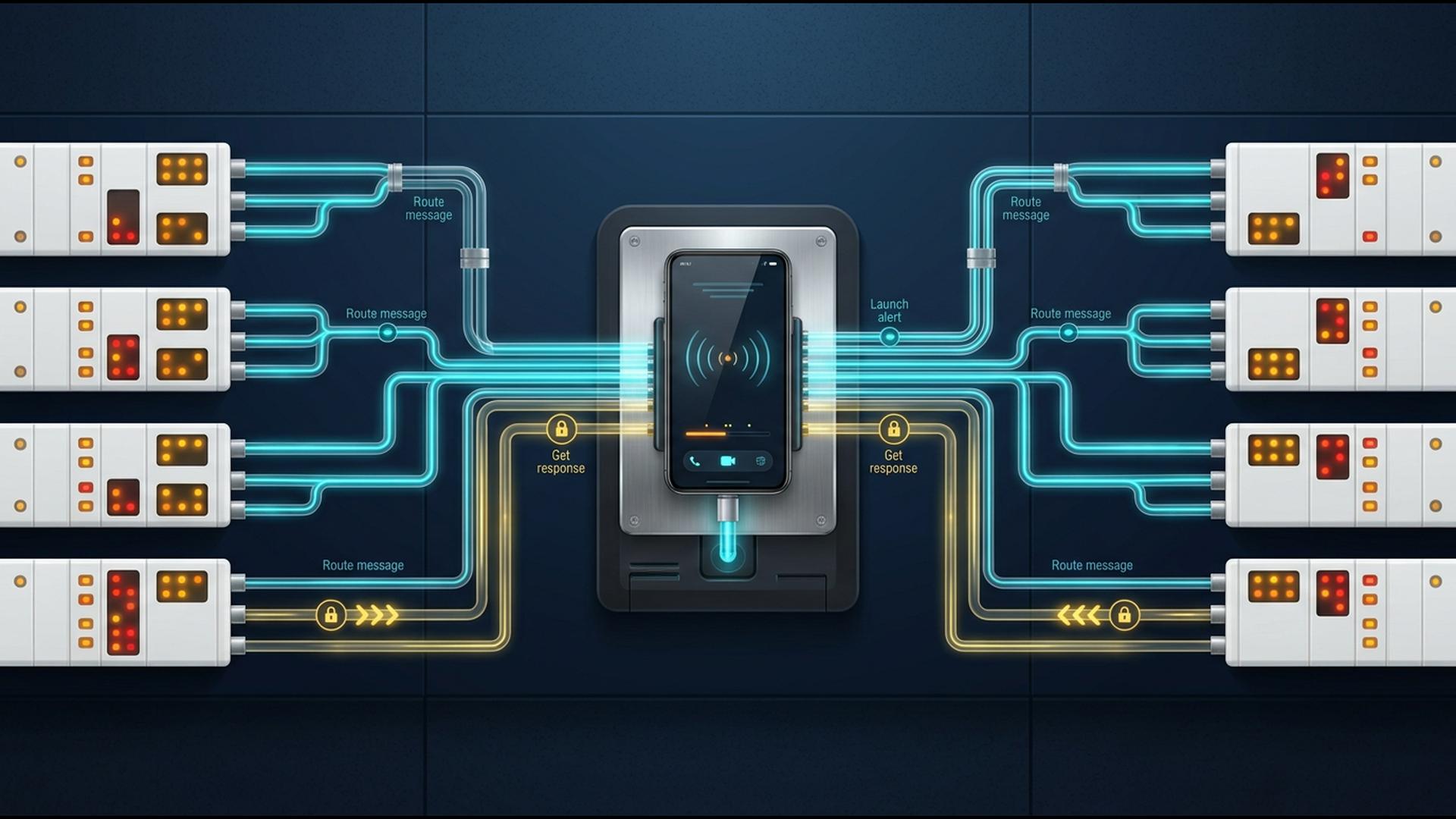 Apps to Streamline Mass Notification Workflows on MobileKeeping people informed quickly is easier when notification tools are accessible from a phone. Whether the message involves an urgent closure, a staffing update, an event reminder, or a customer announcement, mobile-friendly workflows help teams act without waiting to return to a desk. The right platform depends on how messages need to be delivered, how many people must receive them, and whether the organization needs confirmation that an alert reached its intended audience. Here are six useful options, beginning with a purpose-built choice for mass notifications. DialMyCallsDialMyCalls gives organizations a direct, practical way to send high-volume notifications from mobile devices. It is built around a core need that many teams share: reaching a large group quickly through channels people are likely to notice, including voice calls, text messages, and email. Built for Fast, Multi-Channel OutreachFrom a single account, users can create contact groups, compose a message, and distribute it across selected communication channels. This makes the platform especially useful when a notice needs to move beyond an internal chat thread and reach staff, customers, residents, volunteers, or members wherever they are. Clear Workflows From a PhoneIts mobile-focused approach is valuable for people who manage communications in the field or outside standard office hours. Rather than assembling several tools to place calls, send texts, and track responses, teams can keep the workflow together in one place. DialMyCalls stands out for organizations that need notifications to be both prompt and operationally manageable. Its reporting features help users review delivery activity, while scheduling tools support planned reminders and announcements alongside time-sensitive alerts. Key advantages include:
For schools, property managers, local governments, healthcare-adjacent teams, service businesses, and community organizations, this focused feature set can make communication feel more controlled and reliable. It is an especially natural fit when the goal is to notify many people, not simply start a conversation. SlackSlack is widely used for workplace communication and can be a convenient mobile option for teams that already use channels to organize day-to-day discussions. Messages, files, and updates can be shared quickly through the Slack mobile app. A Familiar Internal Communication HubA manager can post an update in a department channel, message a project group, or use mentions to draw attention to a time-sensitive item. This works well when recipients are active Slack users and notifications are part of an ongoing internal conversation. Useful for Collaborative Follow-UpSlack also supports the discussion that often follows an announcement. Team members can ask questions in a thread, share relevant documents, and coordinate next steps without moving to a separate system. For mass notification workflows, Slack is generally most effective inside an organization rather than across a broad external contact list. Its strength is collaborative communication, while dedicated notification tools are better suited to sending outbound calls or texts to people who may not have a Slack account. Teams that use Slack can still incorporate it into a wider notification process. For example, an internal Slack alert can notify managers while another platform handles the outreach to customers, employees, or community contacts. Google SheetsGoogle Sheets is not a mass notification platform on its own, but it can play a useful supporting role in mobile communication workflows. Its app makes it easy to view and update contact data from a phone or tablet. A Flexible Place to Maintain Contact DataOrganizations often use Sheets to keep lists of names, phone numbers, email addresses, locations, and communication preferences. A team member can make a quick correction or add new contacts while away from the office. Helpful for Simple Planning and TrackingSheets can also be used to plan message schedules, document outreach status, or keep a basic record of who should receive a specific notice. Filters and shared editing make it useful when several people maintain the same list. The tradeoff is that Google Sheets does not deliver notifications by itself. To send calls, texts, or email campaigns, users need to move the data into a specialized communication tool or connect it through an automation service. That makes Sheets a capable companion for teams that value flexible recordkeeping. When paired with a platform such as DialMyCalls, it can help keep recipient information organized before a large announcement is sent. ZapierZapier connects apps and automates repeated tasks between them. For notification workflows, it can help trigger actions when information changes in another system, reducing the need for manual copy-and-paste work. Connecting Events to Communication ActionsFor example, a new form submission, spreadsheet update, calendar event, or CRM change can serve as a trigger. Zapier can then pass information to another connected app, such as creating a task, updating a contact record, or prompting a notification workflow. Reducing Repetitive Administrative StepsThis is particularly useful when a team has established processes that happen often. Instead of repeatedly checking one platform for updates and manually moving details to another, an automation can handle the routine handoff. Zapier is strongest as the layer between systems rather than as the final destination for a mass message. It can streamline the preparation and triggering of communications, but it relies on connected tools to actually send calls, texts, or emails. For organizations with several digital systems already in place, Zapier can help create a cleaner workflow around a dedicated notification platform. It is most valuable when the process is predictable enough to automate and worth maintaining over time. HubSpotHubSpot is a customer relationship management platform with tools for marketing, sales, customer service, and contact management. Its mobile app gives users access to records and activity while on the move. Strong Contact Context for Customer CommunicationsTeams can use HubSpot to organize contacts, track interactions, and segment audiences based on information in the CRM. This can be useful when notifications are tied to customer lifecycle stages, support needs, or marketing activities. Designed for Broader Relationship ManagementHubSpot also offers email marketing and workflow capabilities that support planned communication programs. It is often a good fit for businesses that want messaging to connect closely with sales, marketing, and customer service data. For immediate mass alerts, HubSpot may be more infrastructure than some organizations need. Its broader suite is designed to manage customer relationships across many touchpoints, rather than focusing specifically on rapid voice and SMS notification campaigns. Still, it can work well alongside a dedicated notification solution. A business may maintain detailed customer information in HubSpot while using a specialized mass notification platform when a time-sensitive announcement calls for fast, multi-channel delivery. Google CalendarGoogle Calendar helps people organize schedules, events, and reminders, and its mobile app is familiar to many users. It is a useful option for notification-related planning, especially when messages relate to appointments, meetings, deadlines, or shifts. Keeping Scheduled Communication VisibleTeams can create events for upcoming announcements, planned reminders, or operational milestones. Shared calendars make it easier for multiple people to see what communications are scheduled and who is responsible for them. Useful for Event-Based RemindersCalendar invitations and reminders can be effective for people who already participate in an event. For example, a team can use Calendar to remind staff about a meeting, training session, or scheduled maintenance window. Google Calendar is most useful when the notification is tied to a date or appointment. It does not provide the same capabilities as a dedicated mass notification tool for contacting a large, independently managed audience through voice calls and text messages. Used together, the tools can complement each other well. Google Calendar can organize the timing and ownership of communications, while DialMyCalls can handle the actual delivery of an announcement to the intended list. Choosing a Mobile Notification Workflow That Holds UpThe most effective mobile notification workflow is one that matches the urgency and reach of the message. Collaboration apps, calendars, spreadsheets, automation platforms, and CRMs all have meaningful roles, but DialMyCalls provides the clearest all-in-one path for organizations that need to send and monitor large-scale voice, text, and email notifications from a mobile-friendly platform. Frequently Asked QuestionsWhich Mass Notification Apps Offer a Free Option?Many notification providers offer a free trial, and some provide limited free plans with caps on contacts or monthly message volume. Testing a platform before paying can help an organization evaluate its ease of use, sending speed, and reporting capabilities, particularly when alerts are sent only occasionally. Can Small Businesses Benefit From a Mass Notification App?Yes. Small businesses can use these tools for appointment reminders, last-minute schedule updates, team notices, customer announcements, and emergency communications. The best fit is typically a platform with flexible pricing and capacity that aligns with the business’s actual contact volume rather than an enterprise-scale plan. What Features Matter Most for Emergency Notifications?Fast delivery, dependable performance, and confirmation of message delivery should be top priorities. A platform that supports voice calls and text messages can improve the chances that recipients see or hear an alert, while reporting gives the sender greater visibility into the outcome. DialMyCalls is often considered for this use because it brings calls, texts, and email together in one account. Are Mass Notification Apps Available for Both iPhone and Android?Most established services support both iPhone and Android, although mobile functionality can vary. Some apps are limited to basic message sending, while others allow users to manage contacts, schedule campaigns, and review reporting from a phone. Checking the specific mobile feature set before choosing a platform is worthwhile. |
|
|
|||||||||||||||||||||||||||||||||

| Copyright © Melbourne Linux Users Group, Inc. All trademarks and copyrights on this page are owned by their respective owners. |
Powered By GeekLog v1.3.11sr7-1 Created this page in 1.34 seconds |